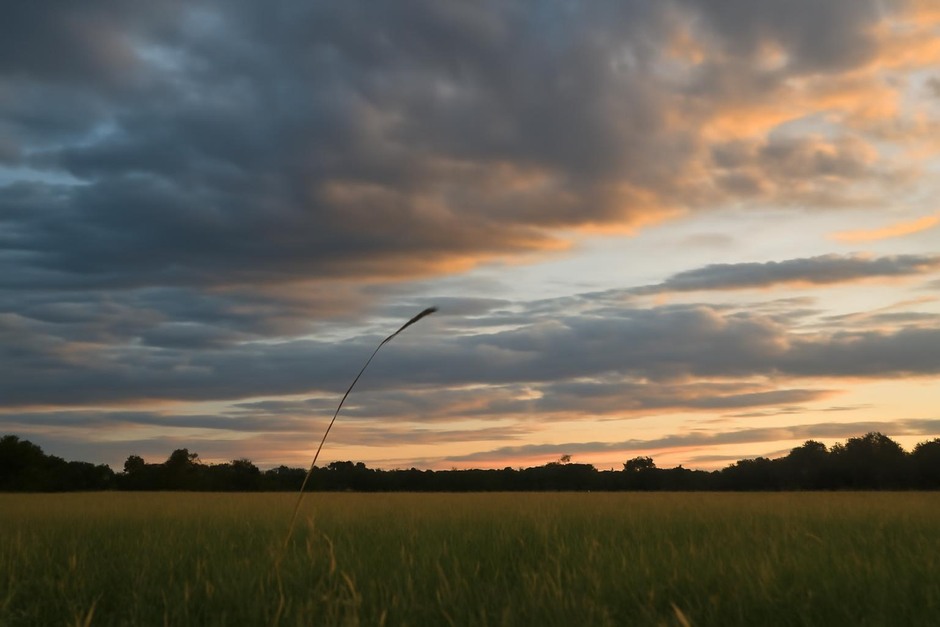
There is a particular calm to watching the yard before setting out for the day: the color of the sky, the way leaves hang on a branch, or how a fence line smells of approaching rain. For centuries, people have treated such small observations as a kind of natural almanac—an informal set of rules for what to do next. Those rules are not magic, but they are useful: they synthesize local knowledge into everyday decisions. Looking back at that history can help us tune our modern routines to place and season.
Sky and light: reading weather at a glance
Historically, sailors and farmers learned to read the sky for immediate weather changes. Red mornings or red evenings—familiar rhymes—are shorthand for atmospheric conditions: dust and moisture scattering light in different ways. Today the same visual cues can be combined with a quick check of your phone’s forecast to make practical choices for the day.
Practical routine tips:
- Morning light: A pale, glassy sky with high thin clouds often means stable weather for the day—good for hanging laundry or walking the dog. A low, heavy overcast suggests damp or rain is more likely.
- Red sky: A strong red at sunset usually indicates dry air to the west; plan outdoor projects for the next day. A red morning can mean an approaching front; postpone sensitive tasks like painting.
- Cloud movement: Fast, tumbling clouds signal a front passing through—wrap up delicate outdoor work and secure loose items.
Plants and insects: local barometers in the garden
Plants and insects have always been the most immediate indicators of local microclimate. Past gardeners noted that when certain leaves curl or when bees reduce their activity, conditions are changing. These observations are still valuable for deciding when to water, prune, or harvest.
How to fold plant cues into a routine:
- Leaf posture: Many broadleaf plants fold or droop before rain as humidity rises—if you see drooping, plan for less watering that evening.
- Flowering rhythms: Note which plants open in morning sun and which close in cloud; use that to time picking herbs for flavor or arranging fresh blooms.
- Insect activity: Lower pollinator activity on gray, humid days reduces the efficiency of hand-pollination in small gardens—choose sunny windows for those tasks.
Animals and timing: seasonal signals from familiar fauna
Birds, frogs, and even small mammals carry long patterns tied to food and temperature. Earlier generations used these cues to schedule plowing, sowing, and harvest. Today they can help with short-term choices—when to move potted plants indoors, when to expect pest pressure, or when a neighborhood walk will feel pleasant.
Simple animal-derived practices:
- Birdsong patterns: A sudden increase in visible foraging by birds in the morning can mean seeds and fruit are exposed—check ripening produce and store anything vulnerable.
- Frog chorus: Loud, sustained calls often indicate warm, humid evenings—good for watering containers late without rapid evaporation.
- Deer and rodent sightings: Increased activity near dusk can signal scarce forage; protect young saplings and compost with temporary barriers during those periods.
Household indicators as part of outdoor practice
Domestic structures and routines have long served as extensions of outdoor observation. The creak of a rain barrel, the smell coming from a woodpile, or the way a porch feels can be as informative as the sky. Integrating these cues into an everyday checklist keeps small tasks manageable and prevents surprises.
Everyday checks to add to your morning or evening loop:
- Water collection: If gutters drip or rain barrels fill quickly, note drainage points to clear next dry spell.
- Porch and path feel: A consistently damp porch surface suggests shade and slower drying—move potted herbs to sunnier spots if pots develop mold.
- Smoke or chimney smell: A lingering damp-wood smell after rain points to higher humidity indoors—air out blankets and dry boots near the sun on the next clear day.
These simple domestic signals are often the first warning that a routine needs adjusting.
Conclusion
Old weather signs are not a replacement for modern instruments, but they are a practical complement. The history behind these observations matters because it is a record of repeated, place-specific attention. By keeping a small habit—five minutes each morning to note sky color, plant posture, animal activity, and household cues—you turn fleeting impressions into a local, everyday almanac. Over a season that habit becomes a kind of memory: a running note of what your place does and when. That memory makes chores more efficient, reduces waste, and deepens how we inhabit ordinary days.