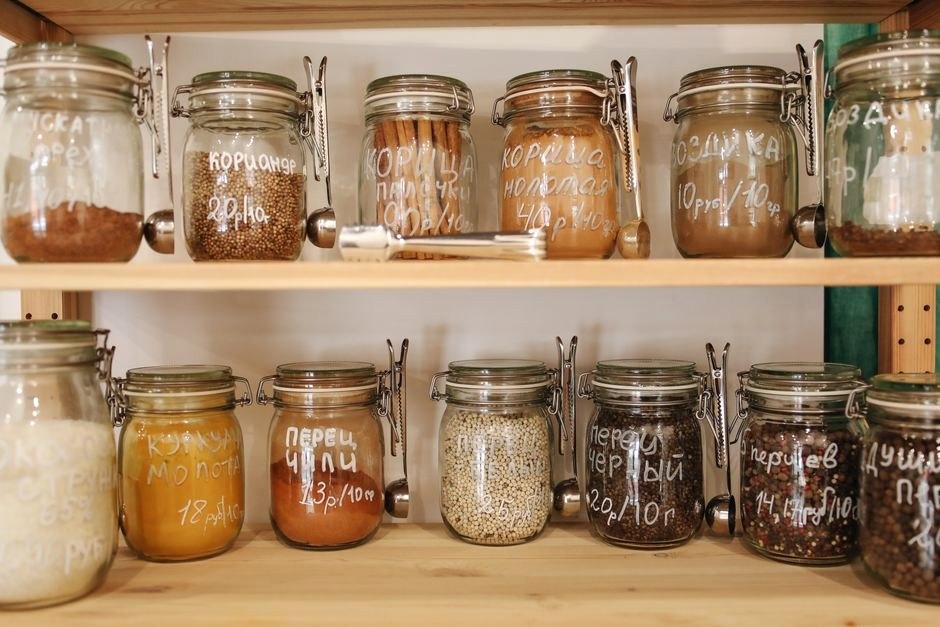
A pantry can look full and still be unhelpful. The problem is usually not a shortage of ingredients but a shortage of visibility. Half-used bags drift to the back, jars are duplicated, and the foods that could become dinner disappear behind the things bought for one forgotten recipe.
A useful reset does not require emptying every shelf. Twenty focused minutes is enough to make the next few meals easier.
Clear one working zone
Choose the shelf you reach for most often and remove only what is on that shelf. Wipe it, then group the contents on the counter by how they are actually used: grains, canned goods, breakfast items, baking ingredients, snacks and flavor boosters.
Anything obviously stale or empty can go. Everything else gets a quick question: do I know what I would cook with this? If the answer is yes, keep it visible. If the answer is no, place it in a small “use soon” group rather than hiding it again.
Put unfinished ingredients first
The most valuable pantry space is the first row. Use it for opened packets, small amounts of rice, lentils, pasta, nuts and jars that are already in rotation. New, unopened replacements can sit behind them. This one change quietly prevents duplicate buying and helps ingredients get finished.
Clear containers can help, but they are not necessary. A simple tray or shallow basket works just as well for loose packets. The goal is not a uniform photograph. The goal is to see what exists without moving six things first.
Build two easy meals from what you find
Before putting everything back, identify two combinations that could become dinner with only one or two fresh additions. Beans, tomatoes and rice might need herbs and yogurt. Pasta, tinned fish and capers might only need a lemon. Oats, seeds and dried fruit might already solve breakfast for several days.
This is the part that turns organizing into something practical. You leave the shelf not only tidier but with a short plan already forming.
Stop after the chosen shelf. A pantry works better when it is maintained in small passes than when it receives one exhausting annual overhaul. The next time you have twenty spare minutes, do the shelf above or below. Over a few weeks, the whole space becomes easier to read without ever becoming a project.