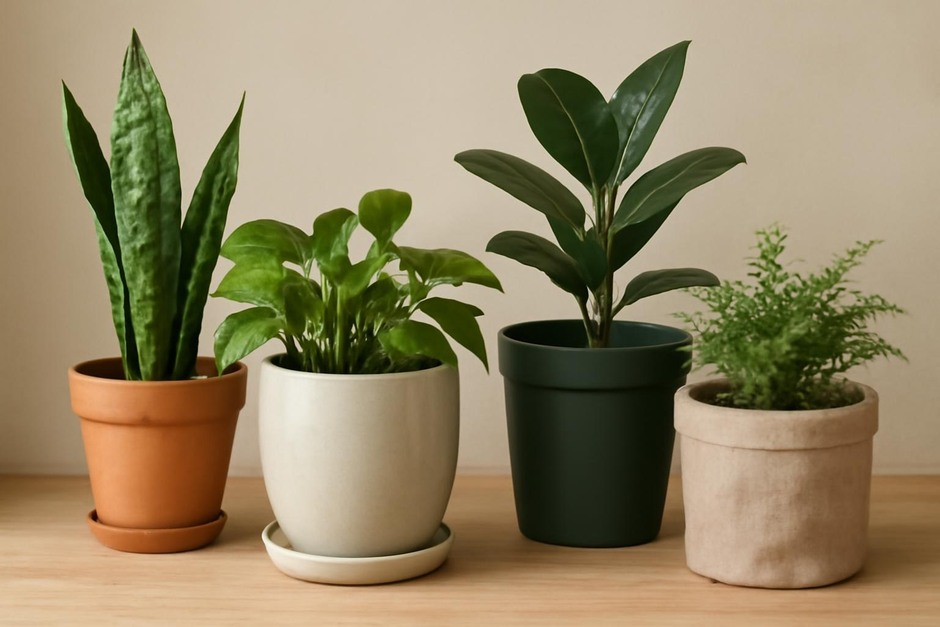
Picking a pot for an indoor plant feels like an aesthetic choice, but it’s really a materials-and-methods decision: different container materials change how water moves, how roots breathe, how heavy a pot feels, and how often you need to water or repot. The right choice balances plant needs, your space, and the day-to-day maintenance you’re willing to do.
Problem
Indoor gardeners face several recurring problems when choosing pots: overwatering or underwatering, unstable tall plants tipping over, pots that stain or crack, and containers that are inconvenient to clean or move. Many of these issues stem from material properties—porosity, weight, thermal conductivity—and from the pot’s construction (drainage holes, saucers, liners). The challenge is to select a pot that matches the plant’s water and root preferences while fitting practical constraints like window light, apartment floors, and your schedule.
Principles
Use these principles to translate material properties into practical expectations.
- Porosity vs. water retention: Porous materials let moisture evaporate through the walls and dry faster; non-porous materials retain moisture longer.
- Drainage matters more than material: Any pot without adequate drainage increases the risk of root rot, regardless of material.
- Weight affects stability and handling: Heavy pots (ceramic, concrete) resist tipping but are harder to move; light pots (plastic, fabric) are easy to rearrange but need stabilization for tall plants.
- Thermal and light effects: Dark, dense materials absorb and hold heat; thin or light-colored materials moderate temperature swings less predictably.
- Maintenance and lifespan: Some materials stain, chip, or crack with age; others fade or warp. Consider cleaning and occasional repotting when choosing.
- Match plant needs to container behavior: Succulents and cacti favor rapid drainage and drying (porous pots), while ferns and some tropicals appreciate steady moisture (glazed pots or liners).
Examples
Terracotta / Unglazed Clay
Pros: Highly porous, encourages drying, affordable, breathable for roots, classic look. Cons: Fragile, salt buildup on the rim, dries quickly (more frequent watering), can crack in cold or when dropped. Best for: Succulents, cacti, Mediterranean herbs, and sunlit windowsills where quick drainage prevents overwatering. Method note: Use a saucer and clean mineral buildup periodically with vinegar and a scrub brush.
Glazed Ceramic
Pros: Non-porous interior retains moisture longer, available in many finishes and colors, durable against stains. Cons: Often heavy, can lack drainage if decorative, glazed surface hides root problems until they’re serious. Best for: Tolerant tropicals and plants that prefer steady moisture (Calatheas, some pothos varieties). Method note: Prefer versions with drainage holes or use an inner pot with holes.
Plastic
Pros: Lightweight, inexpensive, retains moisture, durable, easy to move. Cons: Can overheat near bright windows, may look utilitarian, some plastics degrade under UV light. Best for: Seedlings, indoor plants that need frequent watering, situations where you repot often. Method note: Pair a decorative outer cachepot with a plastic nursery pot to simplify watering and reduce drips.
Fabric Grow Bags
Pros: Excellent aeration and air-pruning of roots, light, encourage healthy root structure, inexpensive. Cons: Dry out quickly, can be messy on porous floors, less decorative. Best for: Vegetables, larger root systems, and gardeners who prefer lightweight containers for seasonal movement. Method note: Set fabric pots on trays to protect surfaces and check water more frequently.
Metal and Concrete
Pros: Very stable, industrial aesthetic, long-lived. Cons: Metal can corrode or overheat; concrete is heavy and can leach lime, raising pH. Both may lack drainage unless modified. Best for: Large, heavy specimens (Ficus, rubber plants) in stable spots. Method note: Line metal pots to reduce corrosion and provide drainage; seal or choose lightweight concrete mixes if weight is a concern.
Concise Practice Checklist
- Identify the plant’s preference: fast-draining (succulent) or moisture-retentive (tropical).
- Check for drainage: always prefer pots with holes or plan for an inner pot with holes and an outer decorative pot.
- Match porosity: choose terracotta or fabric for plants that benefit from quicker drying; glazed ceramic or plastic for steadier moisture.
- Consider weight and location: heavy pots for tall, top-heavy plants; light pots for shelves and frequent rearranging.
- Protect surfaces: use saucers, trays, or liners to catch drips and prevent staining or water damage.
- Plan maintenance: dusty or porous pots need occasional cleaning; fabric pots require more frequent watering checks.
- Think long-term: choose durable materials for large, permanent specimens; use inexpensive or temporary options for seedlings and experiments.
Deciding on a pot is less about picking the prettiest object and more about matching material behavior to plant needs and your routine. When you translate porosity, weight, drainage, and maintenance into clear expectations, a pot becomes a practical tool rather than just decoration.